





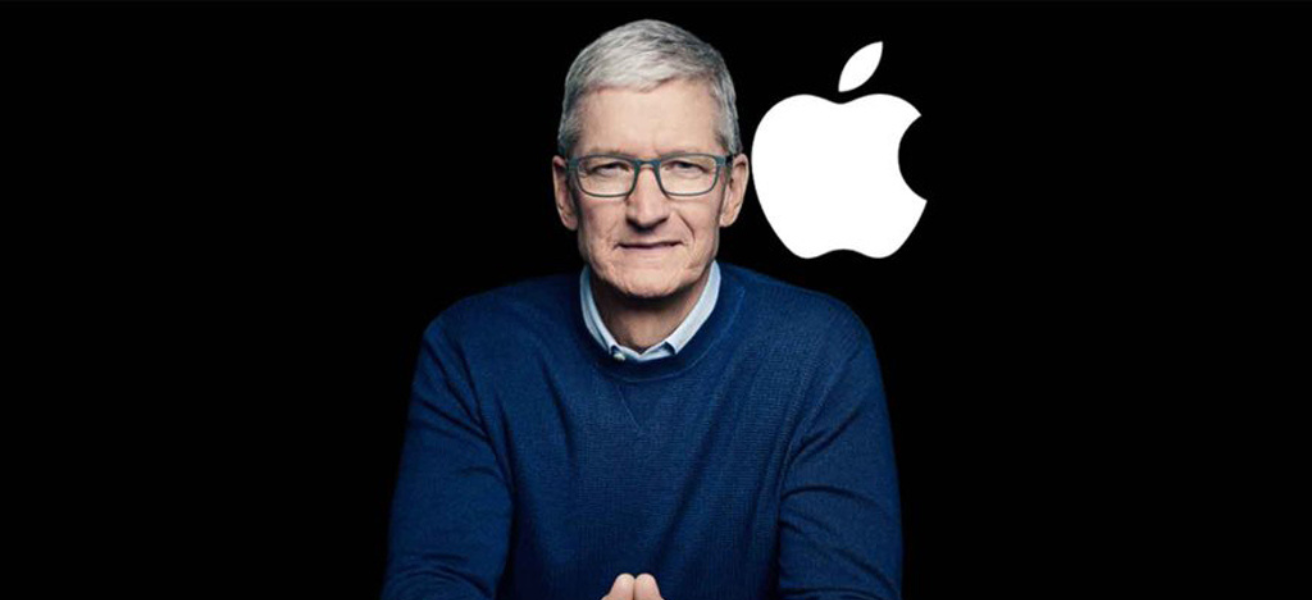
Tim Cook: an example of adaptive leadership in times of crisis
In today's business world, characterised by rapid change and constant crises, the adaptive leadership has emerged as an essential competence.
Tim Cook, CEO of Appleis one of the most striking examples of how adaptive leadership can sustain a company during difficult times and transform it into a more innovative and resilient organisation. Want to know how?
The rise of Tim Cook: challenges and successes in leading Apple
When Tim Cook took over the leadership of Apple in 2011, the task did not prove easy. Steve Jobs' successor faced immense pressure to keep the company at the top of technological innovation.
With his experience as Chief Operating Officer (COO), the current CEO already had a deep understanding of Apple's global operations, which prepared him to lead the company with an approach focused on operational efficiency and adapting to market changes.
His strategy was innovative in many ways, as he chose not to follow in the footsteps of Steve Jobs, but rather to develop his own vision of leadership, promoting a culture of resilience and innovation within the company.
This focus on continuous adaptation was crucial to Apple's success in the following years.
Crises and transformations: Tim Cook's role during the COVID-19 pandemic
The COVID-19 pandemic has brought one of the biggest challenges to Apple. With global supply chains disrupted, factories closed and economic uncertainty severely affecting production and distribution, Apple faced an unprecedented crisis.
However, Tim Cook has shown himself to be prepared for this crisis, emphasising the importance of adaptive leadership in times of uncertainty. It acted quickly and diversified suppliers, reorganised logistics chains and maintained strategic partnerships that allowed the company to continue delivering products to the market.
Innovation in times of adversity: how Tim Cook turned crises into opportunities
The global crisis has not only brought challenges, it has also accelerated the need for innovation. Thus, under the leadership of the current CEO, Apple has launched innovative digital services such as Apple Fitness+ and Apple One, which have proved fundamental during the lockdown period, responding to the new needs of consumers.
Tim Cook then showed his ability to anticipating change in the market and capitalise on emerging opportunities.
For business leaders, adaptation is not just about overcoming difficulties, but also about recognising opportunities for growth and innovation that may arise in times of adversity.
The culture of resilience at Apple: Tim Cook's long-term vision Innovation in times of adversity
One of Tim Cook's greatest legacies at Apple is the creation of a corporate culture that values the resilience and continuous innovation. In fact, this culture has been essential for the company to survive crises and continue to lead the consumer technology market.
Apple has consistently invested in innovative technologies and services, while maintaining a strong adaptability. This is reflected not only in its operations, but also in the way the company manages crises and uncertainties in the global market.
Creating a culture of resilience is a fundamental strategy to ensure that the company is prepared to face future crises, which combined with adaptive leadership should promote not only crisis response, but above all constant innovation.
Sustainability and adaptive leadership: Tim Cook's commitment to the future
As well as navigating crises and promoting innovation, Tim Cook has demonstrated strong adaptive leadership by putting sustainability at the centre of Apple's strategy.
Under his leadership, the company has made great strides to reduce its carbon footprint by using recyclable materials and promoting responsible environmental practices.
Apple has also integrated ESG (Environmental, Social and Governance) principles into its operations, anticipating future trends and responding proactively to global market expectations in terms of corporate social responsibility.
Adaptive leadership is not just about responding to immediate crises, but also about positioning the company for long-term growth.