





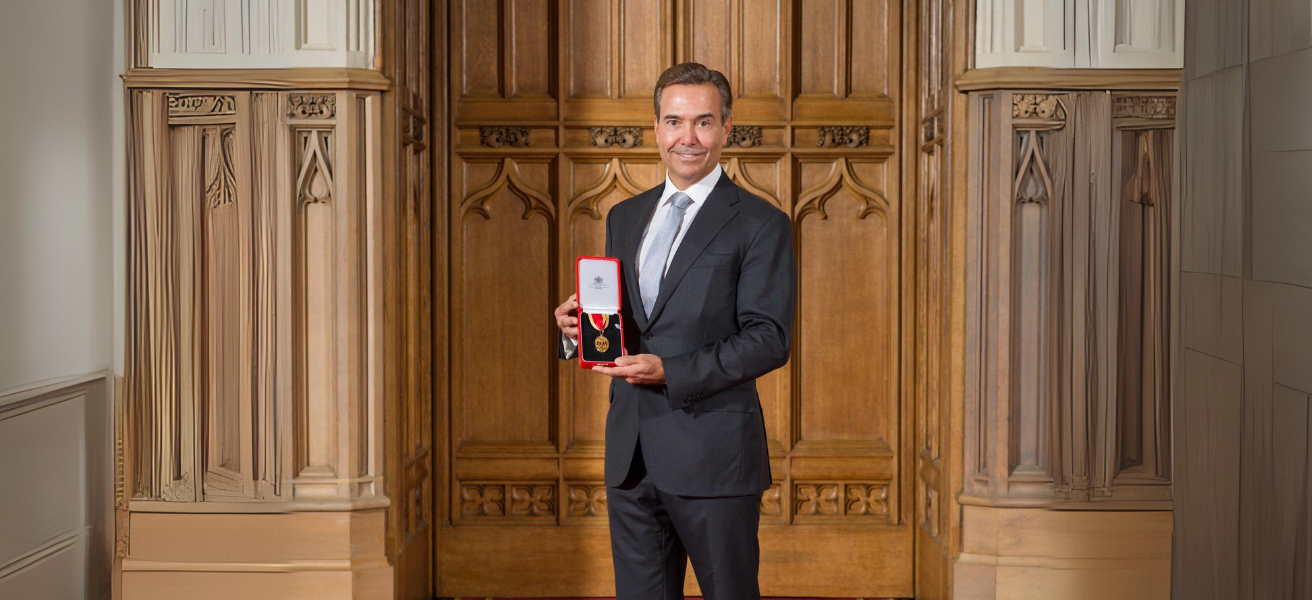
António Horta Osório and Internal Leadership Development
According to Jornal de Negócios, António Horta Osório is the 38th most powerful person of 2024. And no wonder: he is recognised for his innovative and efficient approach to managing large financial institutions.
In addition, during his time at Lloyds Banking Group and Santander, he implemented strategies that not only improved the financial performance of the organisations, but also transformed the internal leadership culture.
The question then arises: what is the basis of this success?
António Horta Osório has always believed in human capital as the main driver of organisational success. For this banker, investing in continuous training and the development of future leaders was a strategic priority.
This vision has translated into solid training and mentoring programmes that have become hallmarks of his leadership.
Training programmes
One of the pillars of António Horta Osório's strategy was the implementation of personalised training programmeswhich aimed to prepare leaders for the specific challenges of the banking sector.
These programmes were not generic in nature, but were designed on the basis of the unique needs and challenges of each institution in which he worked.
The programmes included a wide range of topics crucial to the sector, such as:
- Ethical leadership: teach leaders to make decisions that are not only good for the business, but also for society.
- Advanced financial management: encourage a focus on financial management techniques that help maximise efficiency and profitability.
- Risk analysis: prepare leaders to identify, assess and mitigate risks effectively.
- Innovation in customer service: to train leaders who inspire their teams to innovate continuously, putting the customer at the centre of operations.
The practical and targeted approach of these programmes allowed participants to apply what they learned immediately, achieving tangible benefits for the performance of their teams and the organisation as a whole.
Mentoring: A Bridge Between Generations
Another key initiative of banker Horta Osório was the mentoring programmeThis proved vital for the development of good leadership within the organisations of which he was a leader.
Mentoring is designed to encourage the exchange of knowledge and experience between experienced and up-and-coming leaders.
The dynamics of this programme promoted a two-way exchange:
- Mentors: established leaders were encouraged to share their experiences, helping to mould future generations of leaders. This process also allowed mentors to reflect on and refine their own leadership competences.
- Mentors: The mentees benefited from practical guidance and advice on how to act in the face of operational and strategic challenges. This interaction created a deeper understanding of the nuances of the business.
This type of interaction not only facilitated individual growth, but also contributed to the creation of a more collaborative and resilient organisational culture.
Business Impact: Tangible Results
The training and mentoring initiatives led by António Horta Osório had a profound impact on the results of the companies in which they were implemented. At Lloyds Banking Group, for example, the results were not limited to a financial recovery after the crisis, but also to a strengthening of the internal culture.
After implementing these strategies, we noticed a clear improved employee morale and operational efficiency. Teams have become more proactive, able to identify and capitalise on opportunities for improvement, as well as responding quickly to crises.
This approach helped the banking group to overcome financial instability and consolidate its market position.